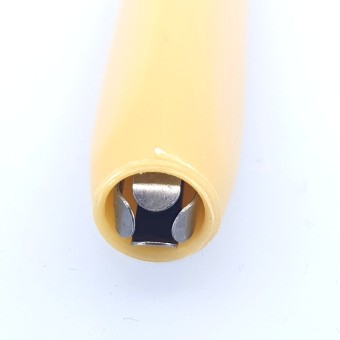
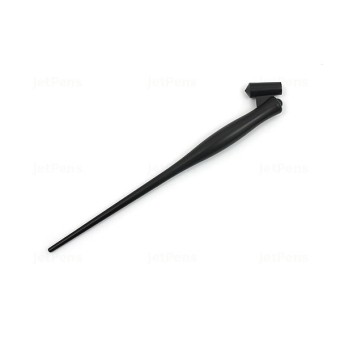
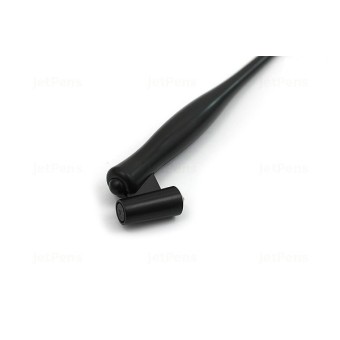
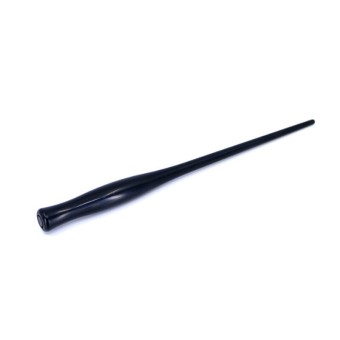
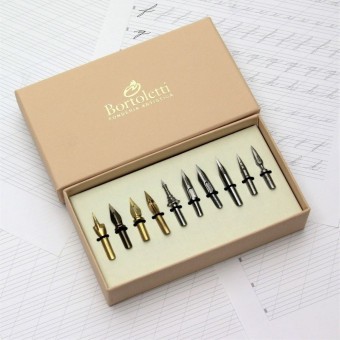
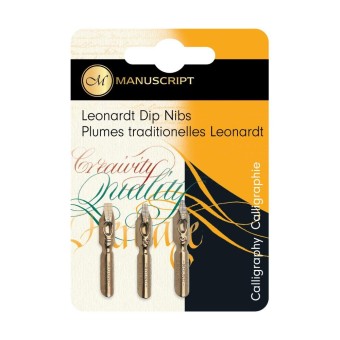
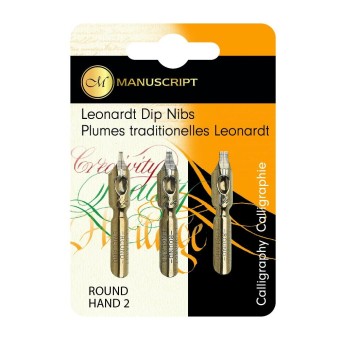
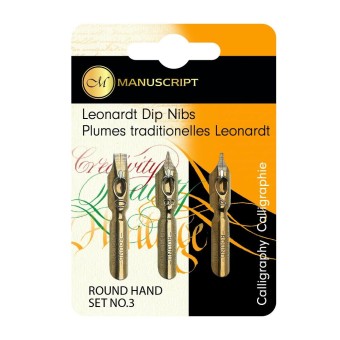
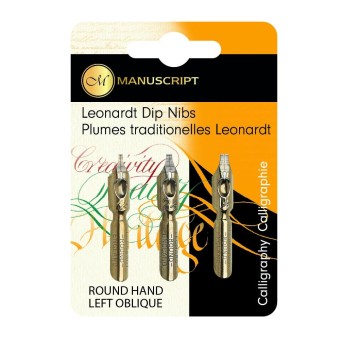
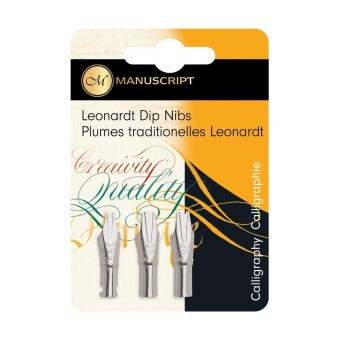
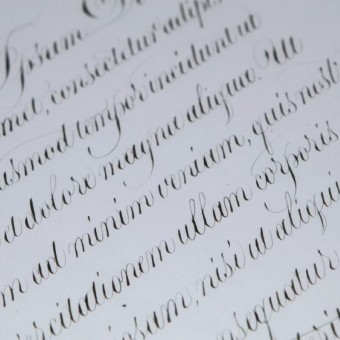
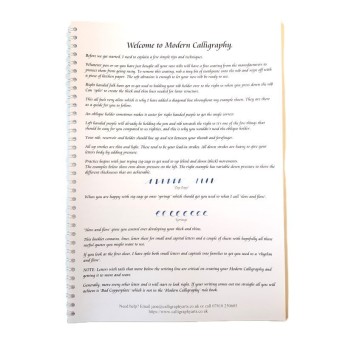
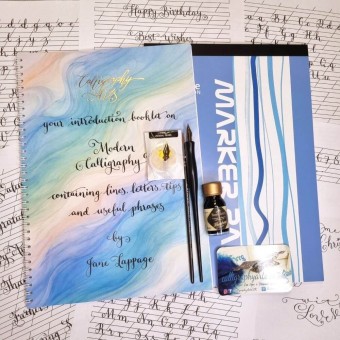
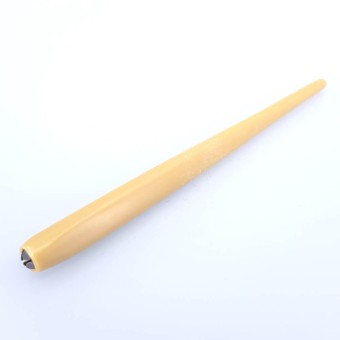
For pointed-pen calligraphy, choose a holder that feels balanced and a nib known for being responsive without being excessively delicate. Straight holders are familiar and versatile, while oblique holders can help with traditional slanted scripts.
Begin with confidence
A simple, welcoming way to start calligraphy
Starting calligraphy should feel exciting, not overwhelming. This page explains the essential tools and brings together Jane’s recommended products for a dependable first setup.
Begin with a comfortable holder, a forgiving nib, dependable ink and paper that will not fight against you. A small, well-chosen kit is far more useful than a drawer full of confusing supplies.
Helpful guidance
What to consider
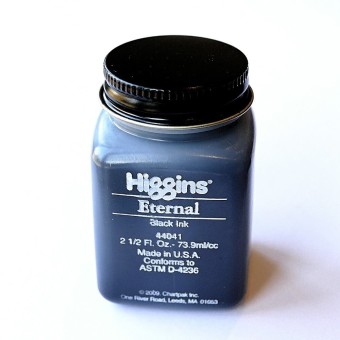
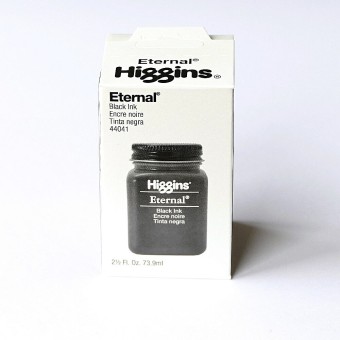
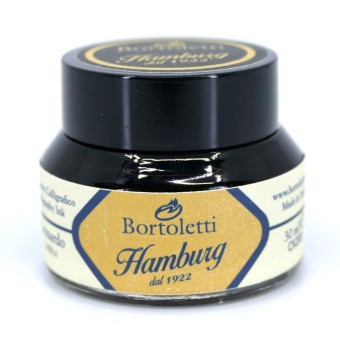
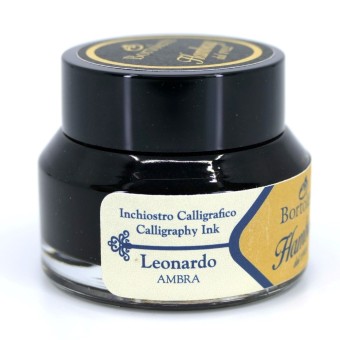
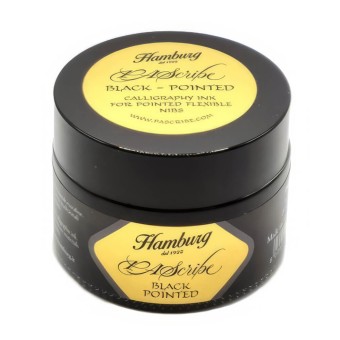
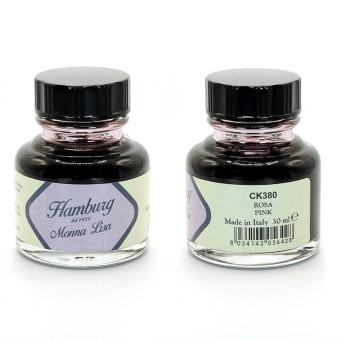
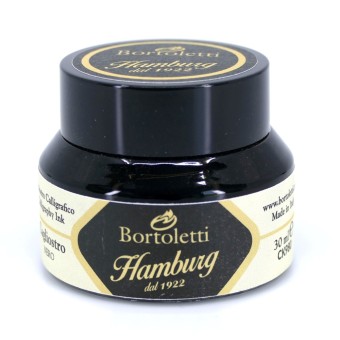
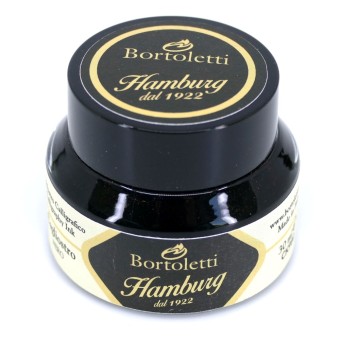
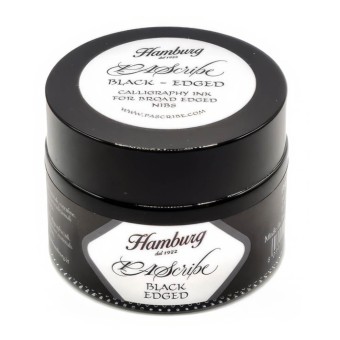
Begin with a well-behaved black ink designed for dip pens. Highly decorative, metallic or unusually thick inks are great fun later, but a reliable practice ink gives clearer feedback while you learn.
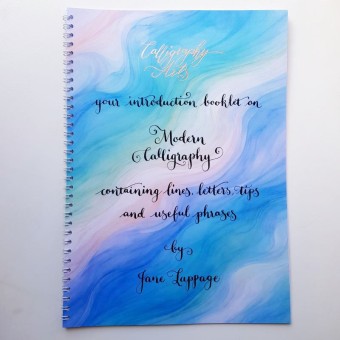
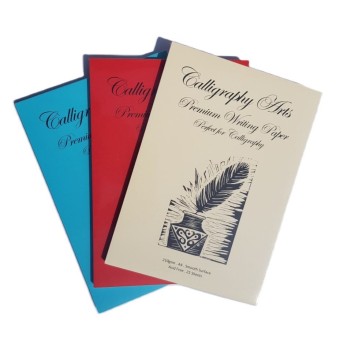
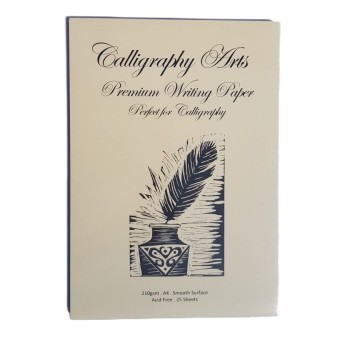
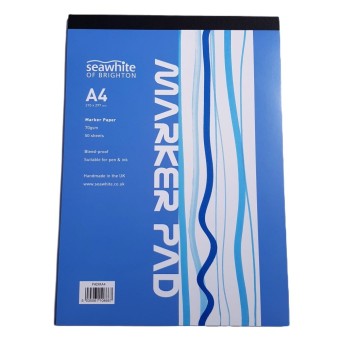
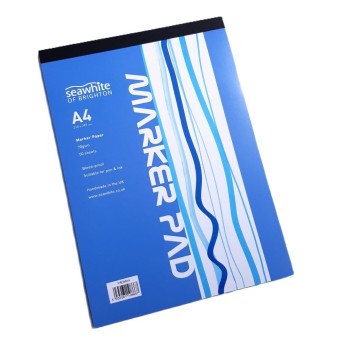
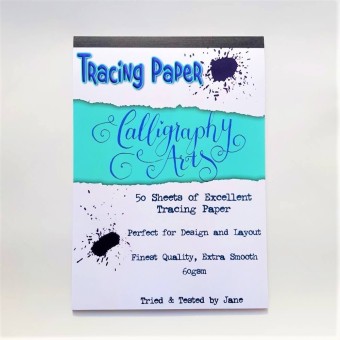
Ordinary printer paper can make practice unnecessarily frustrating. Use smooth practice paper or a suitable pad, together with guidelines that help establish consistent height, spacing and slant.
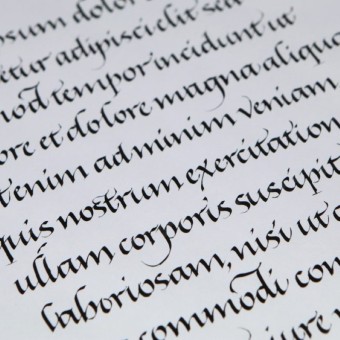
Short, regular practice is more valuable than occasional long sessions. Choose one script, learn its basic strokes, and build letters from those shapes before worrying about speed or elaborate flourishes.
Selected for this stage
Beginner-Friendly Pens and Nibs
Reliable tools that help you learn pressure, control and consistent letterforms.
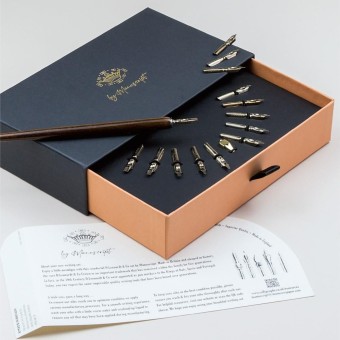
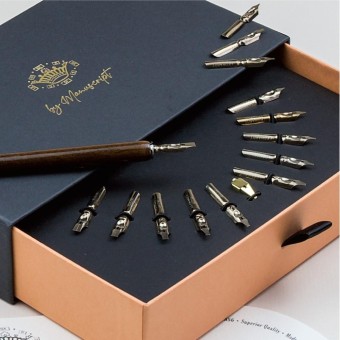
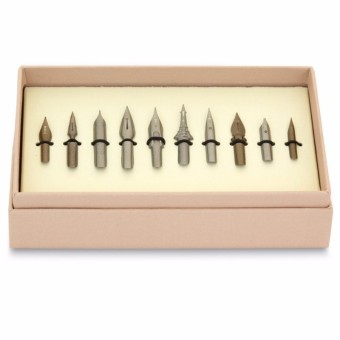
Manuscript Victoriana collector’s round hand set – N46011
Selected for this stage
Dependable Inks for Practice
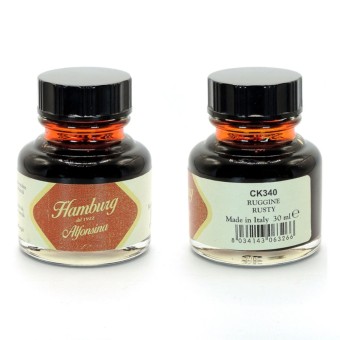
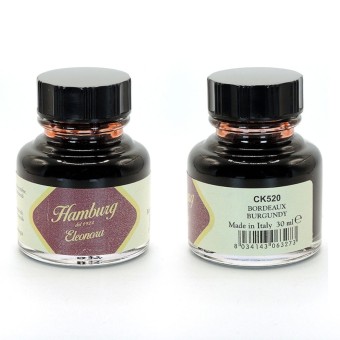
Straightforward inks that let you focus on learning rather than troubleshooting the material.
Selected for this stage
Paper, Pads and Practice Guides
Smooth surfaces and useful guides that make early practice more rewarding.
Selected for this stage
Books, Classes and Learning Resources
Structured help for understanding basic strokes, letter construction and regular practice.